A new list of the most used and influential data assets for development
Explore AidData's new Data Asset Inventory and provide feedback
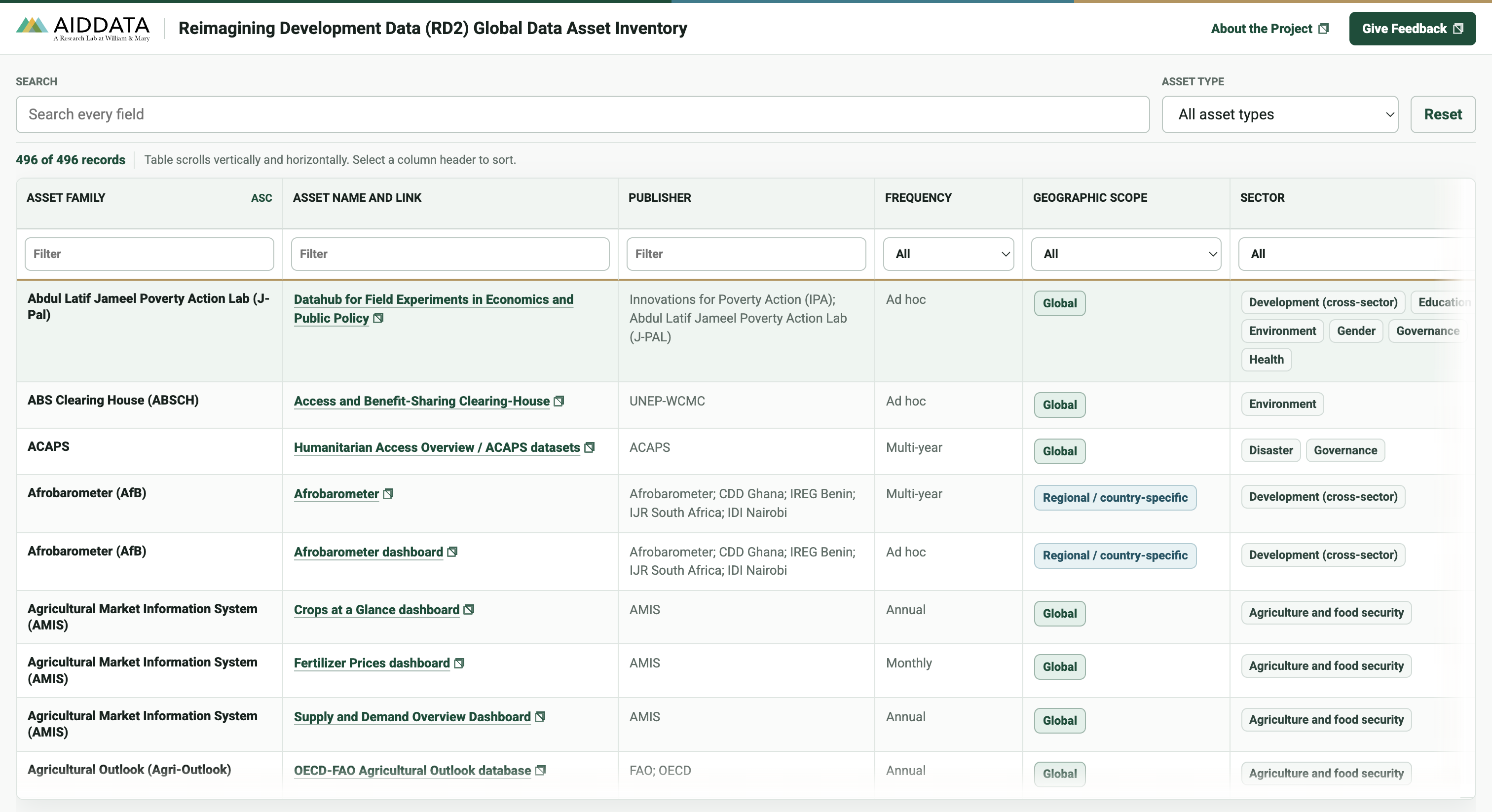
Through our Reimagining Development Data (RD2) project, AidData has compiled an inventory of key development data assets, which will feed into future work to track funding to this data ecosystem.
Our interactive Data Asset Inventory provides granular detail on 496 assets published by 230 organizations across 7 of the most important sectors for development: agriculture and food security, disaster response, education, environment, gender, governance, and health.
Explore the public beta, and share your feedback to inform the next phase of this effort. Are there important data assets you work with that are missing from our inventory? Let us know using the Feedback Form.
The need to reimagine more resilient data systems
Why did we construct a list of the most important data assets for global development?
In the wake of drastic changes to the foreign aid landscape, the long-term sustainability of critical development data systems is in question.
How can these systems adapt to become more resilient to funding shocks, and more aligned with the needs of in-country policymakers and service providers?
To help answer this, we've assembled an inventory of the world's most critical data assets for development. An accompanying brief captures our initial findings, which will feed into upcoming work to analyze the funding environment for these data systems.
Featured blogs

A global survey of developing country leaders on data
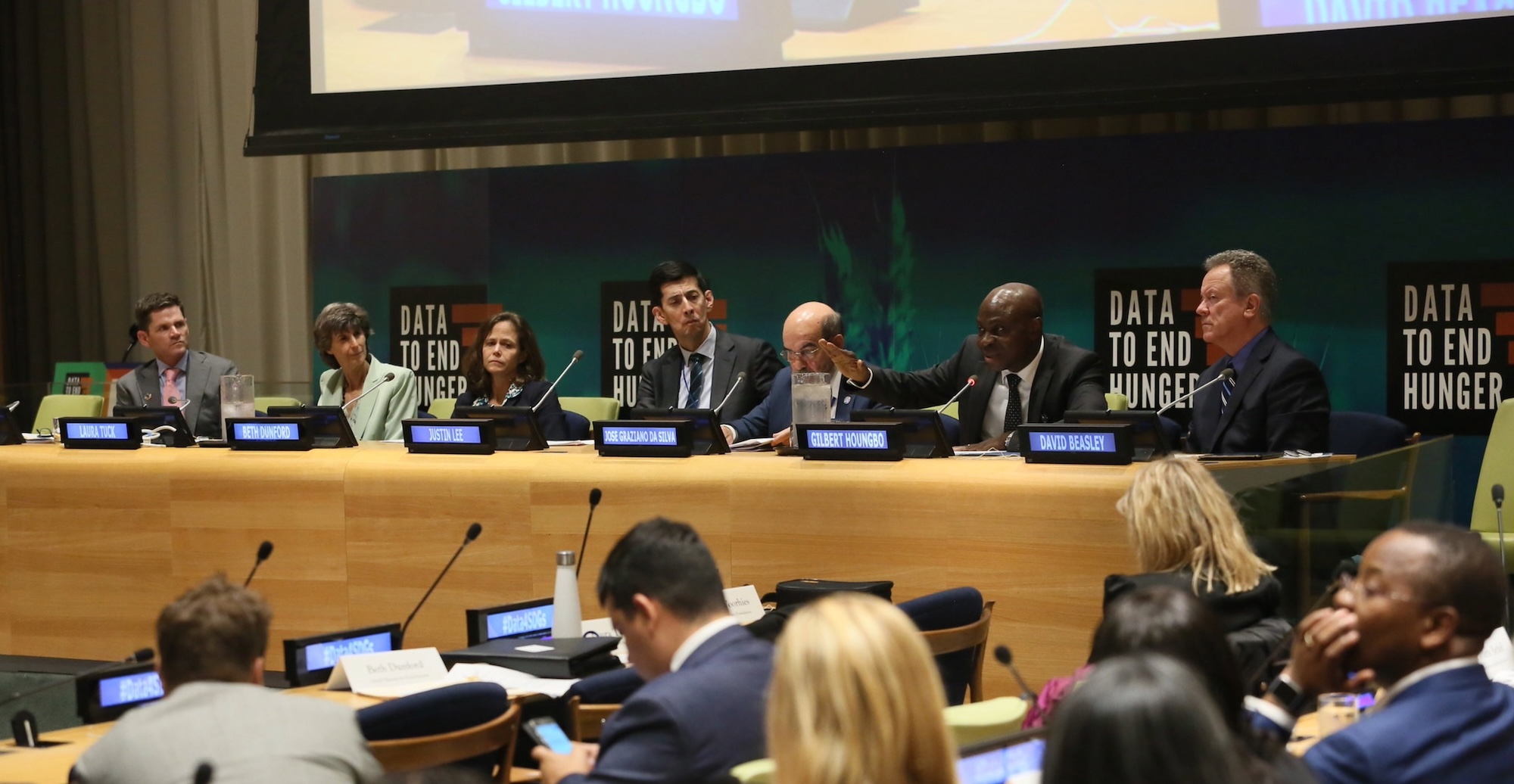
Data systems under threat are relied on by aid agencies, governments, and civil society
Leveraging our Listening to Leaders survey infrastructure, AidData seeks to learn from those who make and shape policy in the Global South about their recent experiences with development data amid aid cuts.
Our survey will ask a global sample of leaders in government, development institutions, civil society, and the private sector:
- Which data sources do they rely on for monitoring, evaluation, and decision-making?
- How have aid cuts have affected the availability of these sources?
- What types of support will be most relevant and sustainable going forward?
In a forthcoming report, AidData will surface what data producers and users across national statistical offices (NSOs), think tanks, and academia both want and need from development data.

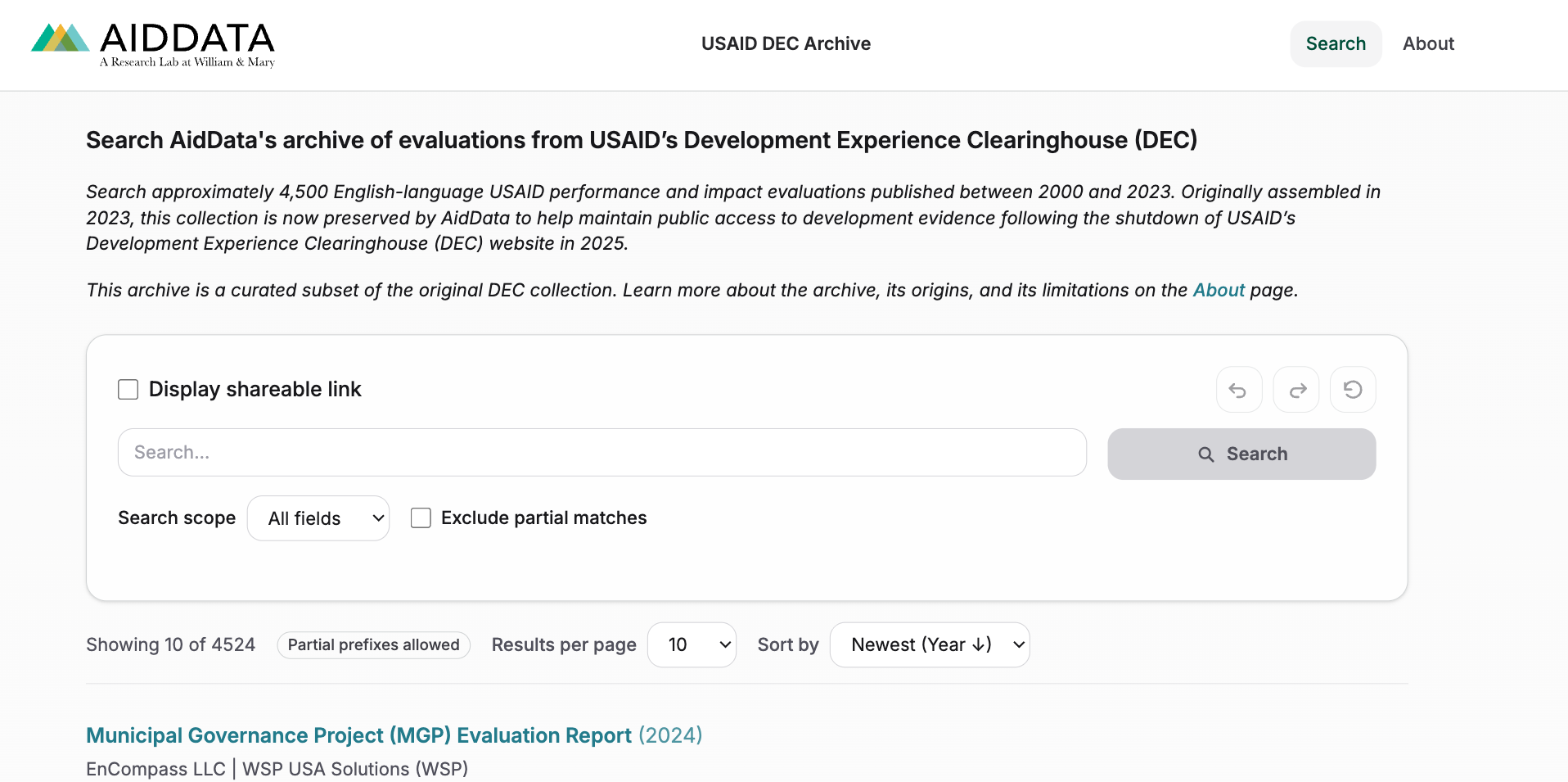
AidData preserves USAID resources with DEC Archive
Our archive contains decades of evaluations of U.S. foreign assistance programs
After USAID shut its doors a year ago, a quarter-century of the agency's reports—documenting what worked, what didn't, and why—were at risk of disappearing.
Lessons learned need to be publicly accessible. So AidData has collaborated to preserve a free, ungated and searchable archive of ~4,500 English-language performance and evaluation reports published between 2000 and 2023.
Program overview
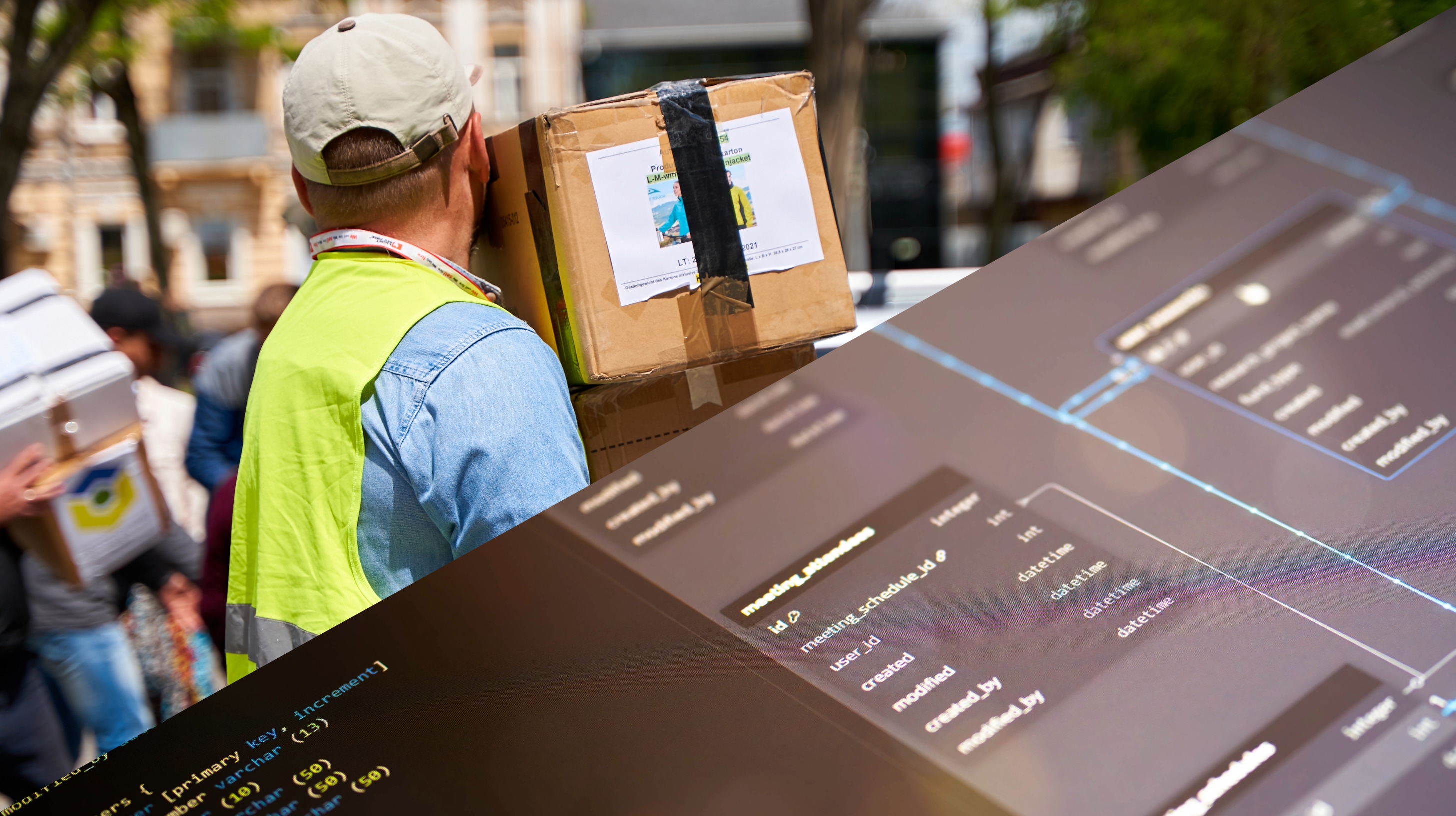
Data systems are like plumbing; you only notice them when something goes wrong. Data systems, relied on by aid agencies, governments, and civil society, have directly saved and improved lives.
But as funding for development collapses, these systems are among the first to go. Without effective development data ecosystems, perishable inventory for healthcare doesn't get delivered, humanitarian crises aren't responded to, and development goes backwards.
Yet while many of the world’s established data systems are now facing their own life-and-death struggle, there may also be an opportunity. With a $1 million research award from the Hewlett Foundation, we're undertaking an ambitious, far-reaching effort to rethink how development data systems are funded, built, maintained, and used.
AidData has a long track record of innovation in development data challenges, and our team brings nearly two decades of independent research experience to this critical moment. Through collaborations across the community, we're working to reimagine a world where data systems key to development progress are resilient and sustainable.
For technical or research inquiries, contact: